
Picture Technology
Glossy vs Matte TV Screens
Glossy TV screens usually keep reflections sharp and directional, preserving a clear, high-contrast look when room light is controlled.
Understand how the panel, light source, signal, processing, room, and settings interact. Exact performance varies by model, size, firmware, input, and content, so every model-level claim requires verification.
Glossy TV screens usually keep reflections sharp and directional, preserving a clear, high-contrast look when room light is controlled.

LCD TVs control a separate backlight through a liquid-crystal layer, while OLED pixels emit their own light and can switch off individually.
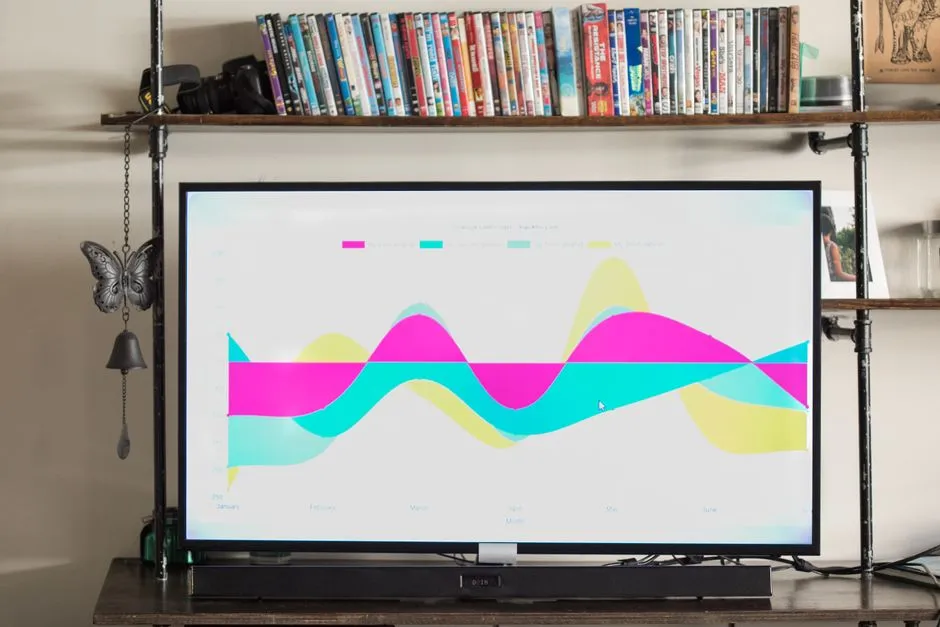
Local dimming divides an LCD television's backlight into controllable areas.

A mini-LED TV is typically an LCD television using many small LEDs in its backlight.

TV black level and contrast are related but not interchangeable.

TV color temperature sets whether neutral whites lean warm toward red or yellow, or cool toward blue. It affects the entire picture, not just white objects.
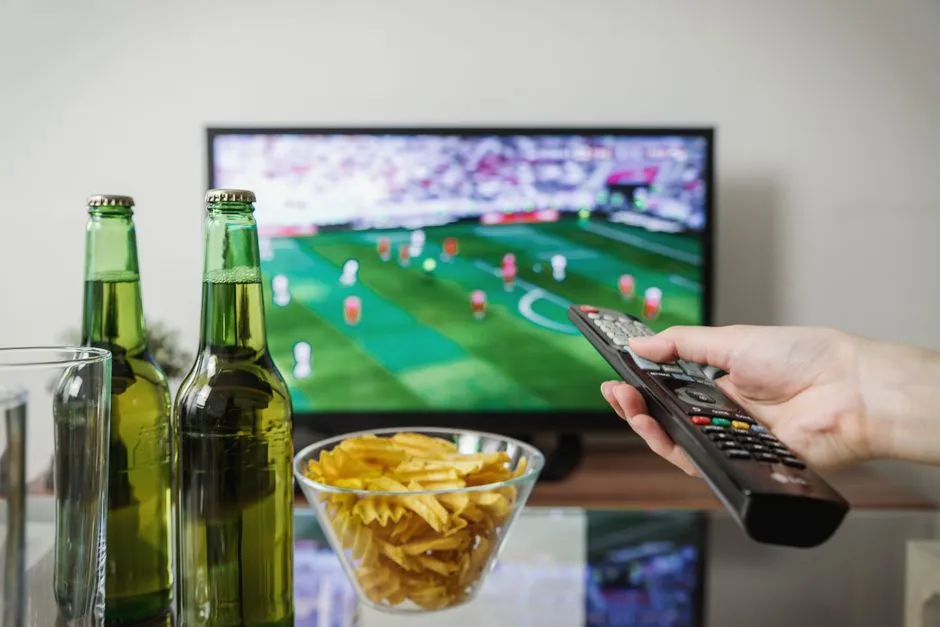
Motion blur reduces moving detail; judder makes frame timing uneven; stutter exposes the steps of low-frame-rate content.

TV refresh rate is how often the panel can present an updated image each second, expressed in hertz.

A 1080p picture can look very good on a 4K TV. The television or an upstream device scales the 1,920-by-1,080 signal to the panel's 3,840-by-2,160 grid,…

TV viewing angle describes how picture quality changes away from the central seat.
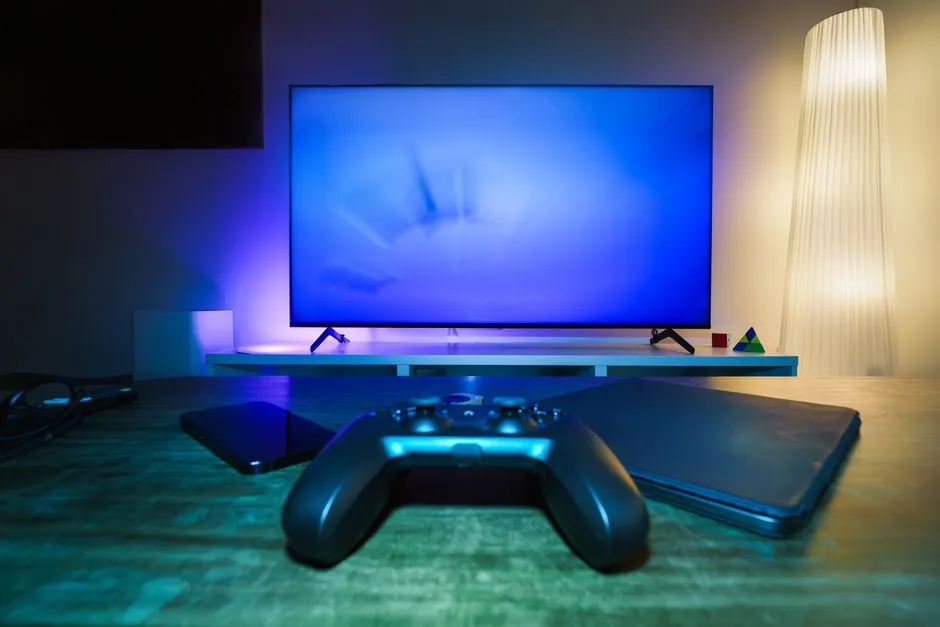
HDR television combines a wider-range video signal with a display capable of mapping bright highlights, dark detail, and color into its real hardware limits.